Home Blog Page 88

JCECEB Recruitment 2023; Salary Upto Rs.122800

0

[ad_1]

The hiring process The Directorate of Sports & Youth Services, Maharashtra State, has issued a krida vibhag announcement for Shaleya Shikshan seeking interested and eligible people to fill 111 vacancies. The positions are Sports Officer, Sports Guide, Lower Class Stenographer, and Constable. Applicants must apply for the Directorate of Sports and Youth Services Pune Recruitment 2023 online. Interested and qualified applicants should apply online by August 10, 2023.

JCECEB Recruitment 2023; Salary Upto Rs.122800

Overview

  • Organization Name Directorate of Sports And Youth Services, Maharashtra
  • Post Names Sports Officer (Group B), Sports Guide (Group B), Lower Grade Stenographer (Group B), Constable/ Soldier (Group D)
  • No.of Posts 111 Posts
  • Application Closing Date 10th August 2023
  • Job Location Maharashtra
  • Official Website sports.maharashtra.gov.in

Recruitment

The Directorate of Sports and Youth Services Recruitment 2023 provides possibilities for those looking for a rewarding career in sports and youth development. There are openings for Sports Officer, Sports Guide, Lower Grade Stenographer, and Constable positions. Aspiring candidates can submit their Directorate of Sports and Youth Services Maharashtra Online Form by visiting the official website, sports.maharashtra.gov.in, and navigating the online application process.

Age

Minimum – 18 years
Maximum – 45 years

Salary

15000-122800/- Per Month

[ad_2]

Source link

JCECEB Recruitment 2023; 810 Openings, Know more

0

[ad_1]

Jharkhand Combined Entrance Competitive Examination Board recently published a job post for a Community Health Officer. The JCECEB Job Notification for 810 Vacancies has been issued. Aspirants with a BAMS, GNM, or Graduate certificate degree in a related discipline from a recognised institute/board can apply before the form submission deadline. The deadline is August 10, 2023.

JCECEB Recruitment 2023; 810 Openings

Overview

  • Posts Name Community Health Officer
  • Total Posts 810
  • Dated 17 July 2023
  • Last Date 10 August 2023

How to Apply Online for the JCECEB CHO Recruitment 2023?

  • Navigate to the JCECEB’s official website, jcecho.formflix.org.
  • Then, on the home page, click the Apply Online option.
  • Complete your registration by entering your information.
  • After that, thoroughly complete your application form.
  • Please upload your documents.
  • Recheck all of your information before submitting your application.

Selection Procedure

The selection procedure for Community Health Officers will include a written examination as well as other rounds. The department will organise a written test for the shortlisted applicants during the first phase of selection. The candidates will be qualified based on the merit list after this examination.

Educational background

General Nursing and Midwifery (GNM) RNRM from a recognised Institute/Bachelor of Science in Nursing from a recognised Institute/University. OR BAMS from a recognised Institute/University. At least two years of relevant experience in the health sector is required. The candidate must hold a Permanent REgistration from the Indian Nursing or AYUSH Council or any State Nursing or AYUSH Council. Selected candidates must furnish a copy of their Permanent REgistration from the Jharkhand State Nursing Council/Jharkhand State AYUSH Council.

Story first published: Wednesday, July 26, 2023, 11:26 [IST]

[ad_2]

Source link

Heavy Rain in Telangana : Two Day Holiday is Declared for Schools

0

[ad_1]

Due to the persistent rains, Telangana Chief Minister K Chandrashekar Rao directed state Education Minister Sabita Indra Reddy on Tuesday to proclaim a two-day holiday for all schools in the state. All schools have been declared closed on July 26 and 27.

Heavy Rain in Telangana

Telangana chief minister K. Chandrashekar Rao has asked state education minister Sabitha Indra Reddy to announce two days of holiday for schools and institutions in the state due to the irregular weather conditions, according to a circular sent to the state education department.

Heavy rains has caused rivers in Uttarakhand and coastal areas such as Maharashtra to overflow in various places. Even though the India Meteorological Department (IMD) predicted significant rains for western and central India in the next days, several Gujarat towns such as Rajkot and Gir Somnath remained waterlogged.

Story first published: Wednesday, July 26, 2023, 9:45 [IST]

[ad_2]

Source link

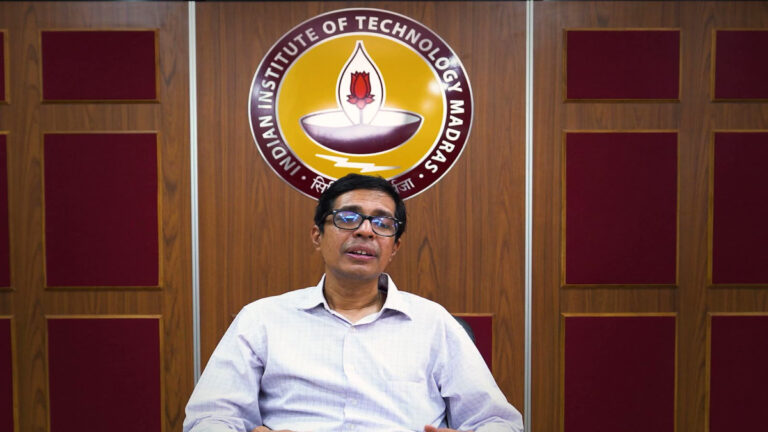
Meet Preeti Aghalayam, the first woman IIT director, who is preparing to take over as director of IIT Zanzibar

0

[ad_1]

Preeti Aghalyam, an IIT Madras alumni, has made history by becoming the first woman to lead an IIT, a remarkable accomplishment. It is a historic time for her and for women in engineering and academia that she has been named the director-in-charge of the new IIT in Zanzibar, Tanzania.

“To me, it’s more significant that it’s the first IIT campus outside of the United States than that I’m the first woman to lead an IIT. For me, it’s not just about shattering the glass ceiling. Preeti Aghalyam stated, “It is more of ‘once an IITian, always an IITian’ for me.

Meet Preeti Aghalayam, the first woman IIT

Living The Iit Dream

Aghalayam’s journey is about more than just breaking glass ceilings; it’s also about valuing the IITian spirit. Her new position as the director in Zanzibar is a continuation of her passion for IITs and the principles they inculcate, having studied and worked at IIT Madras. “I went to IIT Madras to study. It is simply an extension of the kind of love and passion I have for how things function at an IIT because I had previously worked at IIT Bombay and have been a teacher at IIT Madras for 14 years,” she said.

The History Of Preeti Aghalayam

Successful scholar Preeti Aghalayam received her BTech in Chemical Engineering from IIT Madras in 1995 before receiving her PhD from the University of Massachusetts Amherst in 2000. She eventually became a professor in the department of chemical engineering at IIT Madras, where she was named one of the 75 Women in STEM by the office of the Principal Scientific Adviser. She has made a significant contribution to the GATI project at IIT Madras, which works to advance gender equality and provide opportunity for all.

Women Form A Minority In IITs

Aghalayam recently acknowledged that women continue to be underrepresented on IIT campuses in a statement to PTI. Despite efforts to increase gender inclusion, the skewed ratio still exists, creating a problem that must be addressed at the student and faculty levels. “Women have historically been underrepresented in IITs. Although things have slightly improved in recent years, the issue still exists and affects everyone, including staff and students. The incoming director of IIT Zanzibar stated, “Around 12% of the faculty at IIT Madras are women.

India’s engineering schools have made strides towards closing the gender pay gap. The enrollment ratio of men and women has greatly improved from a 10:1 ratio in the 1990s. The selection of Aghalayam sends a clear statement about female equality and gender balance on the new IIT campus. “As members of the IIT Madras delegation, we always observed that the representation of women on their side is rather significant. Therefore, it was crucial that we proceed with caution, and we would make an effort to ensure gender equality on the new campus, according to Aghalyam.

Zanzibar Campus Of IIT

The 1959-founded IIT Madras is making history by opening its first-ever foreign campus in Tanzania’s Zanzibar. Tanzania and India are planning to collaborate on education at the international campus on the island of Zanzibar, which is off the coast of the east African continent. Tanzanian nationals may also apply for scholarships from India to study at IIT Madras in a variety of degree programmes. “I think that this educational connection will guarantee that we remain strong, and it’s a very tactical step… The contributions made by IIT alumni to society and the global economy are immeasurable.

Preeti Aghalyam remarked, “We hope that this will occur here as well. There will be 70 new students enrolled at the IIT Zanzibar campus when classes start in October. To develop future leaders in technology, the new campus will provide full-time studies in data science and artificial intelligence. There will be a screening test and an interview as part of the admissions process. “The government has given us a temporary campus for the time being.

The rooms are all constructed with administrative-side classrooms, student housing, and communal housing in dorms. “We are facilitating a few changes to ensure that it will be completely ready by October, when we intend to begin. But in the upcoming years, we’ll also evolve the academic schedule and introduce a lot more programmes, Preeti Aghalayam said. Preeti Aghalayam’s historic selection as the first female IIT director provides a role model for aspirant female engineers and leaders around the world.

[ad_2]

Source link

Online education is being transformed by AI assistance: personalised learning and beyond

0

[ad_1]

Education for young brains has always been revolutionised by innovation and excellence in instruction. Given the rapid advancement of technology and the rising popularity of online learning, it is crucial to examine how AI influences the landscape of online education.

Building tools that can perform tasks that need human intelligence, such as speech recognition, language translation, and decision-making, is the focus of artificial intelligence (AI), a branch of computer science. Alisha Madhok Walia, the director of Sunbeam World School, spoke about personalised learning experiences and how AI integration in online learning has expanded the possibilities for successful teaching methods.

Online education is being transformed by AI

One Of AI’s Most Notable Ways To Transform Online Education Is Through Learning

AI algorithms can identify the learning preferences and styles of pupils as well as their strengths and weaknesses, and then tailor lectures to meet their needs. It improves the quality of instruction and increases student motivation and engagement. Students can get rapid assistance and guidance from chatbots and other AI-powered virtual assistants.

These volunteers can answer frequently asked questions, recommend useful resources, and offer personalised assignment feedback. These virtual assistants can improve student learning and give students the support they need to succeed academically. Another way AI is changing the online learning environment is through automated evaluations. Teachers used to spend a lot of time on labour-intensive manual processes for grading and assessment.

However, these processes can be automated utilising evaluation tools that are powered by AI, which will save time and reduce the possibility of human error. To evaluate students’ performance on exams, homework, and quizzes, these evaluation systems use machine learning algorithms. Using AI-powered assessment tools, teachers may grade assignments and provide students with fast feedback so they can improve their performance and learn from their mistakes. With the aid of AI, we can design immersive, interactive learning experiences that aid students in better comprehending difficult ideas and theories.

Finally, AI can support the creation of engaging and interactive learning experiences. The creation of immersive and dynamic learning environments that make instruction more entertaining and successful for young minds has been made possible by artificial intelligence (AI), virtual and augmented reality, simulations, games, and intelligent tutoring technologies.

[ad_2]

Source link

This IIT Delhi programme does not require you to take JEE

0

[ad_1]

For students curious about investigating the convergence of Web 3.0, social media, and the Metaverse, IIT Delhi has announced an exciting possibility. The recently introduced six-month advanced certification programme aims to give participants important knowledge of the cutting-edge technologies reshaping the digital world.

Web 3.0, Social Media, And Metaverse Research

The certificate programme goes deeply into the realm of Web 3.0, which is revolutionising the internet by laying the groundwork for blockchain technology and decentralised systems, giving people control over their personal data, and spurring creativity. Through projects and case studies, participants will receive practical experience with important tools including WordPress, Google Analytics, PHP, and Orange. Learners will also develop their skills in e-commerce website building, social media analytics integration, and digital marketing tools.

This IIT Delhi programme does not require you to

Opportunities for employment in emerging domains

The programme, which is geared towards graduates from all backgrounds, provides doors to promising professions in Web 3.0, social media, and the Metaverse. Professionals in the software and IT industries who want to broaden their knowledge and use it well in their respective sectors can benefit equally from it.

Advice From IIT Delhi Faculty Experts

The students will participate in curriculum activities for 100 hours under the direction of IIT Delhi faculty. Over the course of six months, the programme will also include live sessions delivered Direct-to-Device (D2D), providing an immersive learning environment.

Look Up The Modules

Topics like Web Analytics and Machine Learning for E-commerce Sales and Revenue Management are covered in the Web 3.0 module. The Digital Influencer Management and an Overview of Artificial Intelligence for Web 3.0 are the main topics of the Social Media module.

The Metaverse module also looks at cases of metaverse applications in various industries and the technical architecture of virtual reality ecosystems. Understanding Web 3.0 is essential in today’s cutthroat market to appreciate the future of the internet and its potential for blockchain and decentralised systems, according to Arpan Kumar Kar, Chair Professor and Professor at IIT Delhi.

Platforms for social media communication are essential for linking people and organisations. Understanding how they work increases one’s influence both personally and professionally. By providing immersive experiences in the Metaverse and altering interactions and experiences, technologies like VR and AR have the ability to completely transform the digital world.

[ad_2]

Source link

IIT Madras creates the ‘MultiCens’ method for inter-organ communication

0

[ad_1]

Scientists from the Robert Bosch Centre for Data Science and Artificial Intelligence (RBC-DSAI) at the Indian Institute of Technology Madras (IIT Madras) have created a computational method called “MultiCens” to comprehend the interactions between genes that are in charge of inter-organ communication in the body.

For multicellular life to exist, communication between cells in various tissues and organs is essential. Long-standing research has focused on the molecular underpinnings of such communication, but genome-wide searches for the genes and other macromolecules that regulate tissue-to-tissue transmission are still absent.

Researchers from IIT Madras created ‘MultiCens’ (Multilayer/Multi-tissue network Centrality measurements) to systematically discover inter-tissue mediators. All living things require communication between their organs and tissues in order to function properly and survive.

IIT Madras creates the 'MultiCens' method

How Does It Work?

The inter-organ communication network (ICN) enables organisms to monitor their energy reserves, adjust to changes in their environment, and maintain overall wellbeing. This study marks a big step forward in the methodologies being developed to comprehend interorgan communication and its effects.Numerous substances, including as hormones and metabolites created by the gut microbiota, act as messengers during the ICN process. Important choices including development, survival, and controlled cell death are impacted. ICNs have been found to be incredibly complicated, according to earlier research, much of which was done on model species like fruit flies.

Researchers from IIT Madras, Dr. Tarun Kumar, Dr. Sanga Mitra, Prof. B. Ravindran, and Prof. Manikandan Narayanan, as well as Dr. Ramanathan Sethuraman of Intel Corporation, who closely and actively collaborated with the IIT Madras team on this research, all contributed to the paper. Professor B. Ravindran, Mindtree Faculty Fellow and Head of the RBC-DSAI at the Indian Institute of Technology (IIT) Madras, emphasised the significant applications of this research, saying, “Much of the research on the Inter-organ Communication Network (ICN) has primarily involved experiments on model organisms like the fruit fly, which may not directly apply to humans and other non-model organisms. Additionally, the multiple interactions between biomolecules in various tissues make the experimental methods time-consuming. As a result, we currently lack complete information about the ICN.

There is a need for other methods of evaluating ICNs in order to fully comprehend their role in promoting health and treating diseases, continued Professor B Ravindran, who is also a faculty member in the Department of Computer Science and Engineering at IIT Madras. The IIT Madras researchers have developed a cutting-edge computational technique to investigate the relationships between the genes in charge of various organs and tissues. They created a technique known as “MultiCens” by utilising the genetic data that was available for multiple tissues. This tool can be used for many different types of study.

Aim Of This Research And Its Impact

Professor Manikandan Narayanan, a professor in the Department of Computer Science and Engineering at IIT Madras, a DBT/Wellcome Trust India Alliance Fellow, and the study’s corresponding author, explained the significance of the research in more detail.

Our MultiCens method’s capacity to pinpoint the crucial ICN genes in a variety of healthy or disease-related conditions is what makes it so significant. Network science techniques at the core of MultiCens assess the significance of genes both inside and across tissues in a hierarchical manner. This strategy was created through a concerted team effort by all of the authors of the study, with close collaboration between those in my lab, Dr. Tarun’s Bioinformatics and Integrative Data Science (BIRDS) group.

Dr. Tarun Kumar, who has extensive knowledge of algorithms for rich graph structures, continued, “Using algorithms for computing multi-layer network centrality measures, which are extended from traditional single-layer network centrality algorithms, we examined the relationships among genes that interact within and between tissues, and we identified the key genes involved in communication between different parts of the body.”

“We explored applications of MultiCens in two diverse settings – in one setting, we predicted genes closely associated with hormones, which are essential for numerous bodily functions; in another, we unveiled changes in gene interactions within and across different brain regions affected by Alzheimer’s disease,” added Dr. Sanga Mitra, a seasoned researcher in applications of bioinformatics methods and biological interpretation of the resulting predictions. Since cancer starts in one organ and then spreads to others, the application can also be used to understand how cancer metastasizes.

In order to effectively manage any condition, it is crucial to comprehend the molecular pathway for disease manifestation and identify the primary targets, according to Dr. Ramanathan Sethuraman, Healthcare Architect and Principal Engineer at Intel and co-author of this study. A step in this direction of research is MultiCens. Other genetic contexts for health and disease can also be used with MultiCens. The source code for MultiCens is publicly accessible, and ongoing work on a web interface and experimental verification of its predictions can further advance our understanding of the ICN and its significance for general health and wellbeing.

[ad_2]

Source link

Decline in Enrolment of Muslim Students in Universities of UP

0

[ad_1]

According to the most recent AISHE 2020-21 data, enrolment of Muslim students has decreased by 8% in 2020-21 compared to 2019-20, and enrollment of Muslim students in Uttar Pradesh has decreased by 16%. However, Muslim student enrolment has expanded dramatically from 17,39,218 (as of AISHE 2016-17) to 19,21,713 (as of AISHE 2020-21), a 10.5% increase across the country. The fact that female Muslim students outnumber male Muslim students is notable.

Decline in Enrolment of Muslim Students in UP

The Muslim population in India is severely lagging behind other communities in terms of higher education enrollment, giving a grim picture of the Muslim community. While the COVID-19 pandemic is to blame for some of the falls, it also exposes the community’s economic issues, which sometimes push outstanding children to choose employment after graduating from high school rather than pursue further education.

Uttar Pradesh, where Muslims make up around 20% of the population, fared the worst, with a 36% decrease. According to the research, this was followed by a 26% drop in Jammu and Kashmir, an 8.5% drop in Maharashtra, and an 8.1% drop in Tamil Nadu. Even though the state claimed considerable growth in the number of institutions during the year, Muslim enrollment in UP is only 4.5%.

The Union Minister said, “However, the enrolment of Muslim students has increased significantly from 17,39,218 to 19,21,713, an increase of 1,82,495 (10.5%) across the country. A notable feature is that Female Muslim students have outnumbered male Muslim students.”

“The objective of the Schemes is to uplift the socio-economic conditions of the minority communities, increase their rate of attainment in higher education and enhance their employability, and to enable the poor and meritorious students to pursue Professional and Technical courses. These schemes have been instrumental in ameliorating the enrolment of minority students in educational institutes”, he further added.

Minority students are encouraged by the government through the Ministry of Minority Affairs’ Scholarship/Fellowship Schemes. The Ministry of Minority Affairs runs Pre-Matric, Post-Matric, and Merit-based Scholarship Schemes for students from six designated Minority communities: Buddhist, Christian, Jain, Muslim, Sikh, and Zoroastrian (Parsi).

These most recent modifications, together with the AISHE survey findings, underline the critical need for specific initiatives and policies to alleviate the educational gaps experienced by the Muslim population. It is critical to foster an environment that encourages and supports Muslim students in their pursuit of higher education. Measures should be undertaken to promote access to quality education, provide scholarships and financial aid, and raise Muslim community knowledge about higher education prospects. Furthermore, steps should be taken to address the community’s economic issues, ensuring that talented children are not compelled to forsake further education owing to constraints on their finances.

The only way to halt the downward trend in Muslim enrollment in higher education in India is for the government to develop a positive discrimination policy for Muslims. The Sachar Committee Report and the Mishra Report both advocated for the implementation of a positive discrimination policy in favour of Muslims, which certain southern states have done successfully but not the states with a large Muslim population.

[ad_2]

Source link

Punjab Will Receive 8 Up-To-Date, Free Upsc Training Facilities For Aspirants

0

[ad_1]

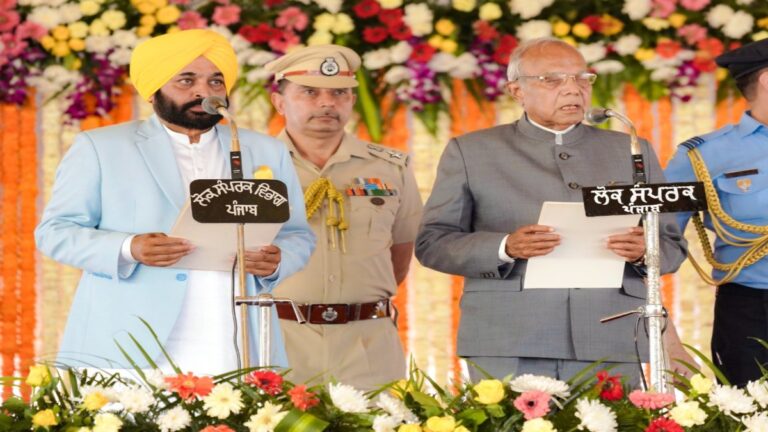
Bhagwant Mann, the chief minister of Punjab, has announced the opening of eight cutting-edge training facilities to offer instruction for prospective UPSC exam aspirants. Mann is worried about the decreasing number of applicants from Punjab appearing in central services exams, particularly UPSC exams. He wants to buck this trend by providing top-notch coaching to the state’s bright young people.

Punjab Will Receive 8 Up-To-Date, Free Upsc Traini

Aiming To Improve Candidates’ Success

Chief Minister Bhagwant Mann recently voiced his concerns on the declining number of Punjabi candidates passing the UPSC exams during a meeting. He ascribed the loss to two main causes: the desire of young people to seek out chances abroad and a lack of top-notch coaching facilities in the state. Mann’s government is dedicated to creating cutting-edge training facilities to provide free and excellent coaching to UPSC hopefuls in an effort to remedy this problem.

Empowering Youth To Become Officers

The proposed centres would train individuals for coveted jobs in the Indian Administrative Service (IAS), Indian Police Service (IPS), Indian Revenue Service (IRS), and other significant organisations. Punjab has a long history of generating outstanding bureaucrats who have made important contributions to the socioeconomic growth of the nation.

Chief Minister Bhagwant Mann hopes to foster a new generation of competent and dedicated officers through these training facilities who can serve the country with commitment and excellence.

Equity Of Opportunities Ensured

These training institutions would be crucial in granting equal opportunity to eligible candidates, helping the state achieve its goal of empowering Punjabi youth to hold top positions and contribute to the development of the country.

To ensure that candidates can perform to their full potential in UPSC exams, the government aims to provide free, high-quality training. To further assist UPSC hopefuls across Punjab, the government is also looking into the introduction of online training.

[ad_2]

Source link

NIT Rourkela Placement 2023: 24 Students Receive More Than Rs 50 Lakh, The Highest Ever At The Institute

0

[ad_1]

During campus placements for the academic year 2022-2023, National Institute of Technology, Rourkela (NIT Rourkela) received the most employment offers, totaling 1,534 from 330 different businesses. More than 95% of the students from the premier BTech programmes were placed, according to the official declaration.

24 students received pay packages totaling more than Rs 50 lakh per annum (LPA) as part of the NIT Rourkela placement package. Eight of those received the highest offer, which was Rs. 52.89 LPA. The average cost-to-company (CTC) increased by more than 16% from Rs 11.15 LPA in 2021-2022 to Rs 12.95 LPA in 2022-2023. The average BTech CTC is Rs. 14.22 LPA. Landmark Group submitted a total of 3 international offers.

According to the institute, placement rates for registered students in the BTech programmes in electrical engineering, electronics and instrumentation engineering, ceramic engineering, and dual degrees in mining engineering and ceramic engineering were all 100%. With the maximum compensation of Rs. 1.5 lakh per month, more than 350 internship offers were issued.

NIT Rourkela Placement 2023: 24 Students

Top recruiters for 2023 placement at NIT Rourkela

With 31.1% of all hiring, Software and IT Services has emerged as the leading employer. The top employers are companies like SAP Labs, Microsoft, Amazon, and AWS. The top 10 recruiters according to the number of open positions are listed below.

Tata Consultancy Services – 84

Shell – 62

PwC India- 45

Vedanta Limited- 42

Deloitte- 30

L&T Constructions- 29

Tata Steel Limited- 23

Texas Instruments- 21

Aditya Birla Group- 21

Qualcomm- 20

Salary Package at NIT Rourkela

According to this year’s placement reports, the average CTC for the department of computer science was Rs 21.87 LPA, while the average CTC for the department of electronics and instrumentation engineering was Rs 18.12 LPA. While the CTC was 17.97 LPA on average for electronics and communication. Electrical was priced at Rs 14.55 LPA. Over 80% of the enrolled students in the Integrated MSc programme received employment offers, a remarkable 51% increase over the prior year. Additionally, there were more offers for postgraduate studies, with 96.22% of students going into the Department of Electronics and Communication and 90% going into the Department of Industrial Design.

[ad_2]

Source link